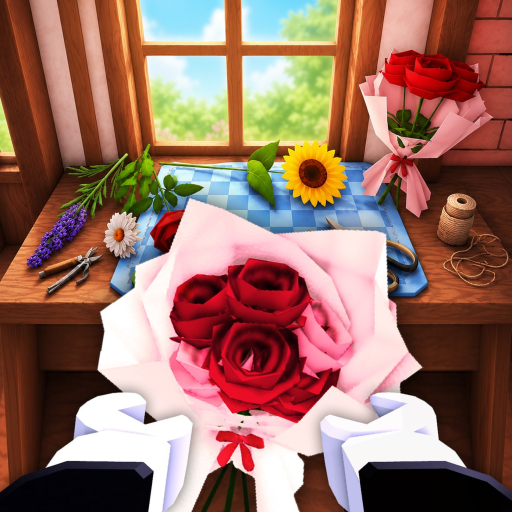
Growing area
Purpose: Support the confirmed planting, growth, and harvesting loop.
Check: Can you identify ready plots and reach their current interaction prompts without visual confusion?
Build a layout around visible tasks and current interaction space. This guide provides a repeatable method, not an unsupported best layout, distance, speed, or profit formula.
The official description confirms flowers, floral creations, customer sales, upgrades, and decoration of both the shop and garden. It does not publish an optimal arrangement. Your layout conclusion therefore needs current screenshots and a repeatable before-and-after test.
These zones are planning labels, not claims about hidden bonuses or required adjacency.
Purpose: Support the confirmed planting, growth, and harvesting loop.
Check: Can you identify ready plots and reach their current interaction prompts without visual confusion?
Purpose: Support the confirmed bouquet and flower-arrangement activity.
Check: Can you move from a harvested item to the current creation interface without losing track of the required materials?
Purpose: Support the confirmed sale of finished floral creations to customers.
Check: Can you see the current request state and reach the interaction without movable objects obscuring it?
Purpose: Leave room for the confirmed shop and garden decoration systems.
Check: Can you add or move one item later without dismantling the route you are currently testing?
Take a wide screenshot and closer views of relevant prompts. Record the date, game version information visible to you, device, account progression, and any paid benefits. A visual record prevents a later rebuild from relying on memory.
A decorative layout can be successful because it is readable or enjoyable even when it does not improve a measured task. Label the goal before testing so a visual preference is not presented as a profit result.
Keep the current prompt visible and reachable. Test the space after each nearby object is moved.
Group related objects so the next task is easy to recognize, while leaving the actual interaction unblocked.
Reserve some flexible space so a newly available object does not force a complete rebuild.
One change at a time makes the result easier to attribute and reverse.
Camera, touch prompts, controller selection, and screen size can change how a layout feels.
An older layout can remain attractive while its objects, controls, or claimed results no longer match the current game.
There is no verified exact distance between plots, crafting, customers, employees, or decorations; no published best object count; and no supported cash-per-minute improvement from a particular arrangement. Those conclusions would require current objects, controlled comparisons, and transparent results. For current placement and rotation inputs, use the controls guide. For what employees, upgrades, and decoration are confirmed to do at a high level, use the upgrades guide.
These fields are intentionally not filled with guesses. Each one needs a dated in-game observation before exact values or instructions are published.
No universal best layout is verified. A useful layout depends on the current objects, progression, device, goals, and game version, so test one repeatable task at a time.
Not proven. A route can feel shorter without changing customer behavior, growth, crafting, or rewards. Keep those claims separate until they are measured in the current game.
Use it as inspiration, then verify that the same objects, controls, interaction space, and version still apply. Do not inherit its best-layout or income claim without evidence.
Capture screenshots, the account and progression state, the repeated task being tested, relevant paid ownership, and any displayed cost or permanence warning.